Bridging the gap between healthcare delivery and management science
Through innovative strategies, we enhance healthcare delivery and management, optimizing operations to achieve better patient outcomes and overall efficiency.
Through innovative strategies, we enhance healthcare delivery and management, optimizing operations to achieve better patient outcomes and overall efficiency.
The Institute for Healthcare Optimization (IHO) is an independent not-for-profit research, education and service organization focused on bringing the science and practice of operations management to healthcare delivery.
IHO has a 20+ year history of helping hospitals and healthcare delivery organizations improve operational efficiency in patient flow while simultaneously improving patient outcomes and staff work balance.
IHO is a consulting leader, using state-of-the-art analytics to help healthcare leaders fully understand their operations, and to identify optimal solutions to complex problems around capacity planning, staffing, and operational process design.
As part of IHO’s nonprofit mission, this newsletter will focus on key topics in healthcare and operations management to help healthcare leaders improve patient flow and ensure high quality care for patients, a high quality working environment for healthcare providers and staff, and a solid bottom line.

Hospital C-suites today are under extraordinary pressure. Much of this is driven by capacity challenges and overcrowding.
Variability in elective admissions and discharges — NOT emergency demand — drives the capacity crisis.
Across hospitals, patient flow is fundamentally mismanaged — driven largely by periodic, man-made peaks and valleys in the volumes of elective admissions. These fluctuations reduce efficiency, create artificial congestion, or alternatively leave beds, staff, and ORs underutilized.
The sooner you implement patient-flow smoothing, the more lives you will save, the better the work environment you will create, and the further you will move away from the financial cliff.
The crisis is real. The solution is proven.
Journal of Thoracic and Cardiac Surgery
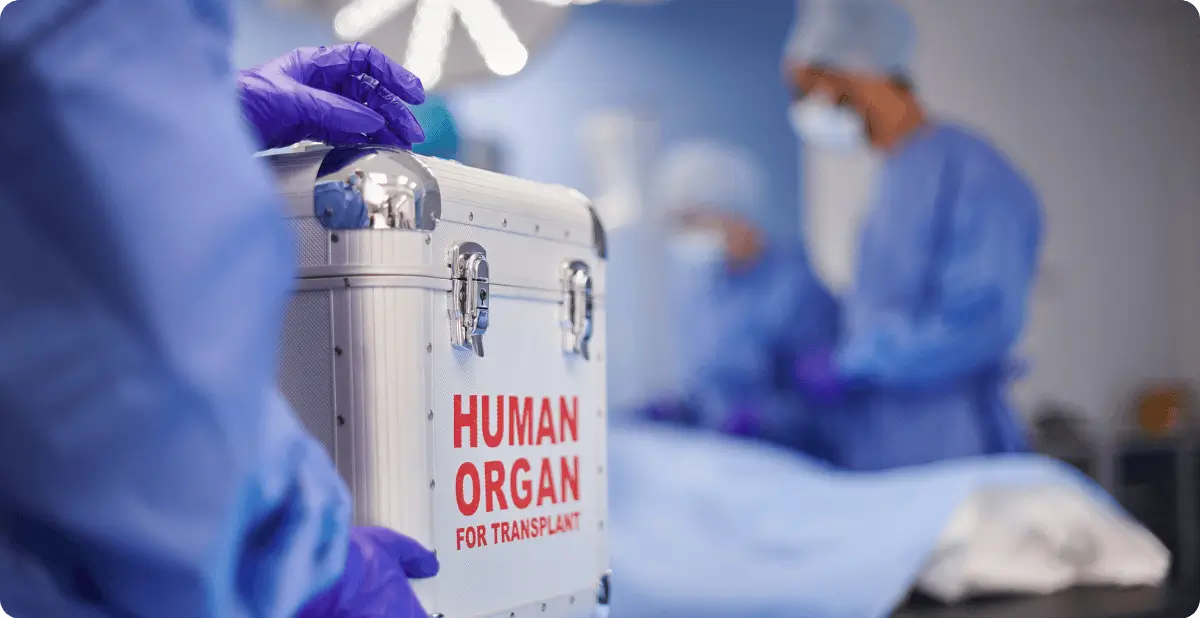
This article in the Journal of Thoracic and Cardiovascular Surgery showcases how University Health Network (UHN) used IHO Variability Methodology® to improve timely OR access for organ transplants without compromising OR access for scheduled patients. READ MORE
The Pitt shines a spotlight on the challenges faced everyday by Emergency Departments – overcrowding, long wait times, inability to move patients into units, and staff burnout – all under the administrative pressure of increasing low patient satisfaction and safety scores.
Our ED doctors and nurses are the foundation of our health-care system – and the system is failing them. Fixing the nursing shortage won’t happen overnight, but there are clear steps health system executives can take to support and retain their nurses. This starts with addressing artificial variability in patient demand, ensuring smart process design, and implementing scientifically proven capacity planning to ensure timely access for patients and reduced pressures on staff.


Take capacity planning and access target management to new heights.
Simulation modeling provides healthcare leaders with the power to optimize bed capacity, staffing, or resource levels to ensure timely access for all patients while maximizing efficiency and cost effectiveness.
Simulation provides granular detail to enable optimal decision making based on anticipated wait times, utilization, and staffing needs specific to your fluctuations in patient demand. This improves patient care while also improving your bottom line – beyond typical capacity projection strategies.
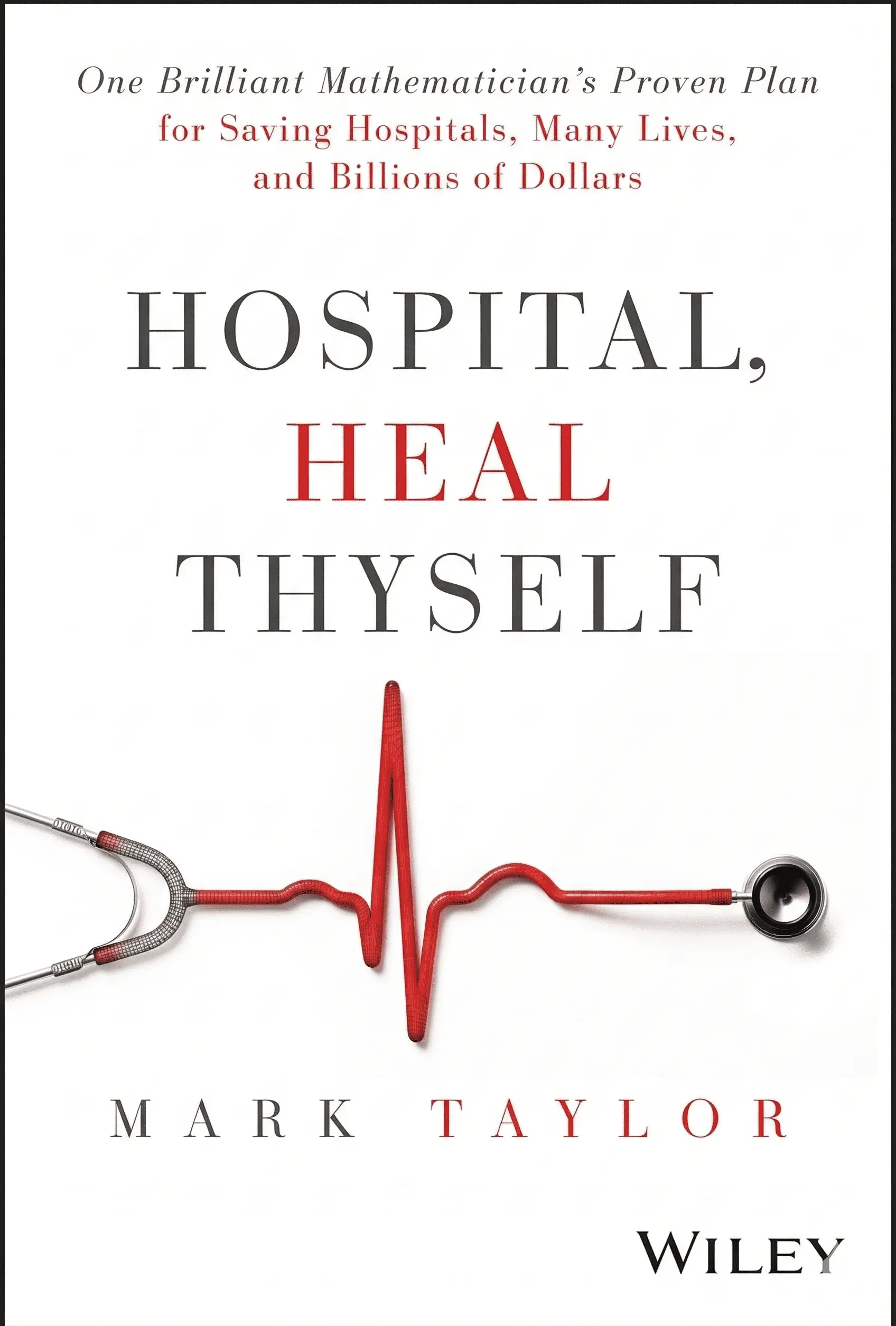
Mark Taylor
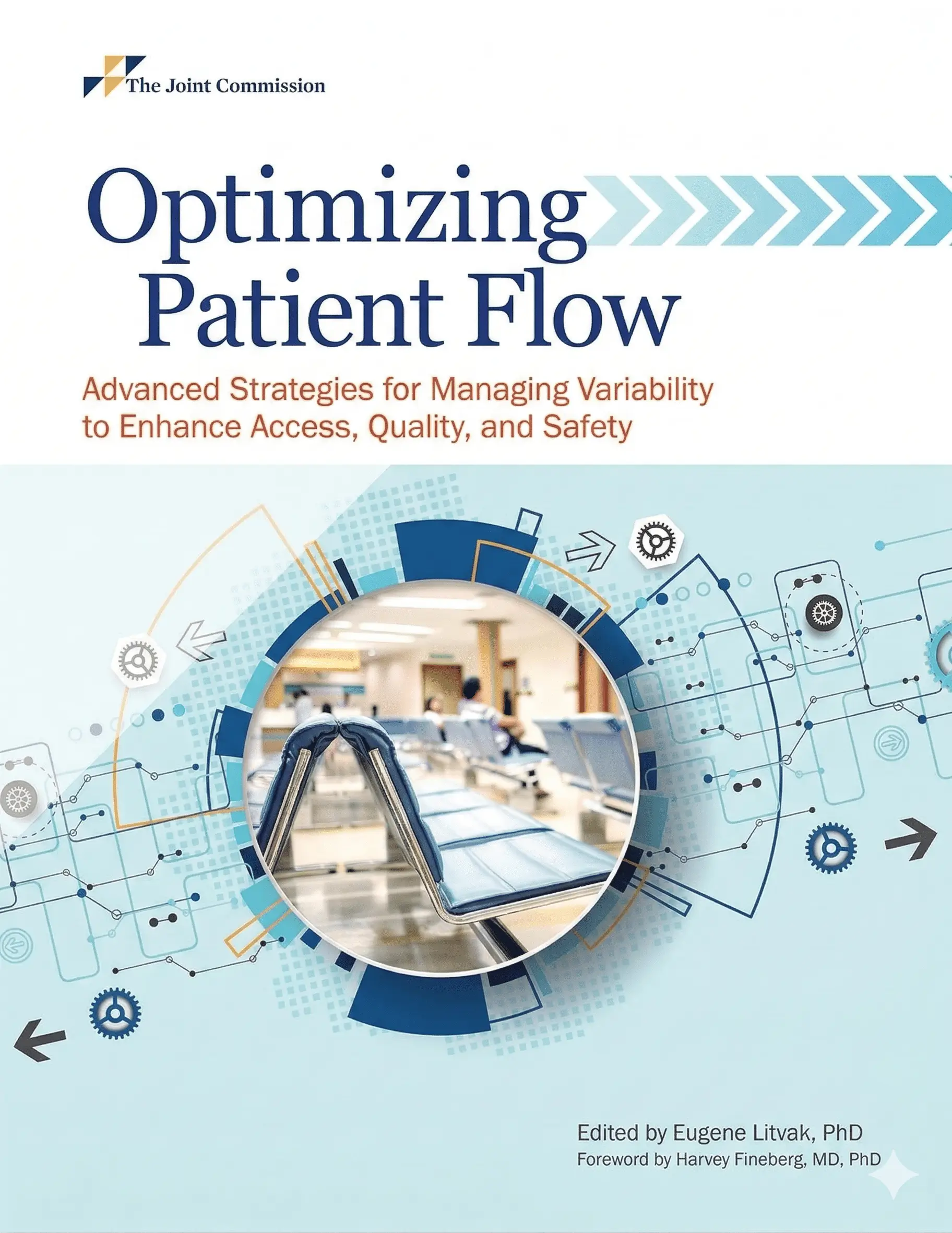
Ed. Eugene Litvak
JCR Publisher
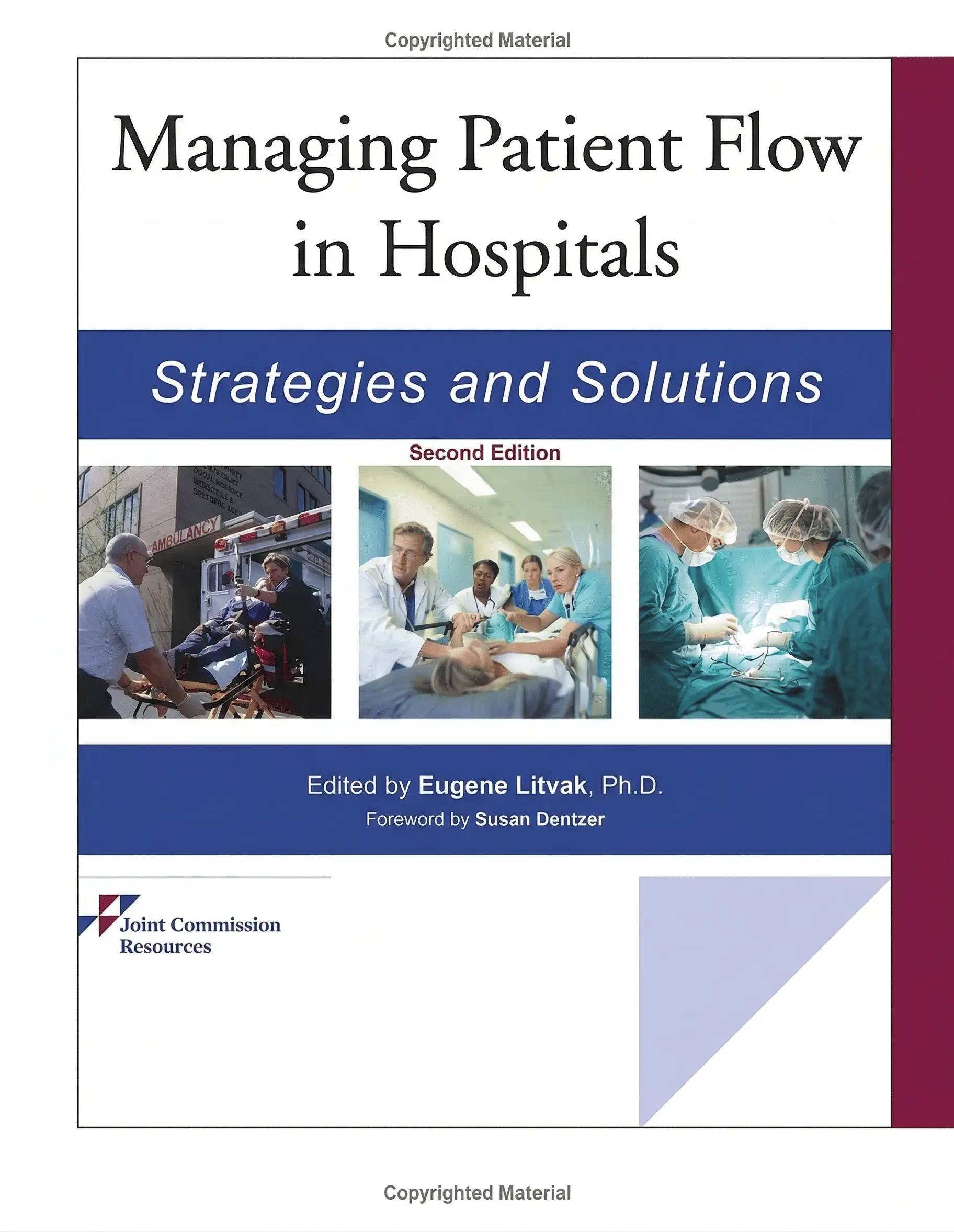
Ed. Eugene Litvak
JCR Publisher
Schedule a call with our Optimization Team

Stop collecting MORE data and focus on collecting ACTIONABLE data to drive patient flow improvements
Small changes, big results — with less stress and more control over your day.